In multifamily development, success is measured long before the first resident moves in. The decisions made during site selection, planning, design, and permitting have a direct impact on project costs, schedule, lease-up timing, and ultimately, investment performance.
That’s why involving your construction team early matters.
At Erland, we regularly partner with developers during the earliest stages of site evaluation, feasibility studies, budgeting, and design. Our role extends far beyond pricing drawings. We help identify potential challenges before they become costly redesigns, permitting obstacles, schedule delays, or missed opportunities that can impact project performance.
In today’s market, speed-to-market has become one of the most important drivers of project success. Every month a project remains delayed in permitting, redesign, or construction represents additional carrying costs and postponed revenue generation. Across the industry, owners and developers are increasingly engaging construction teams earlier in the process to improve cost certainty, identify risks sooner, and make more informed decisions before designs are finalized.
For multifamily developments throughout Greater Boston, local knowledge can be just as valuable as construction expertise. Communities such as Newton, Brookline, Dedham, Burlington, and others each have unique zoning bylaws, permitting processes, parking requirements, sustainability initiatives, and design review expectations. A project that appears straightforward on paper can quickly encounter setbacks if these requirements are not considered early in the design process.
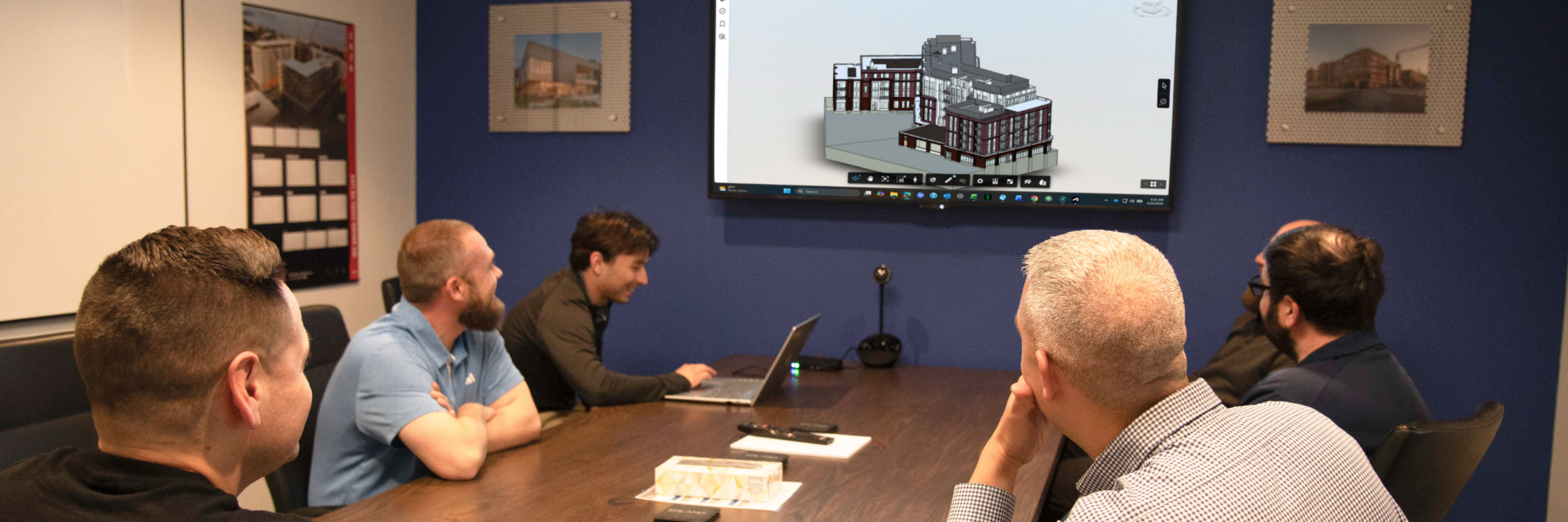
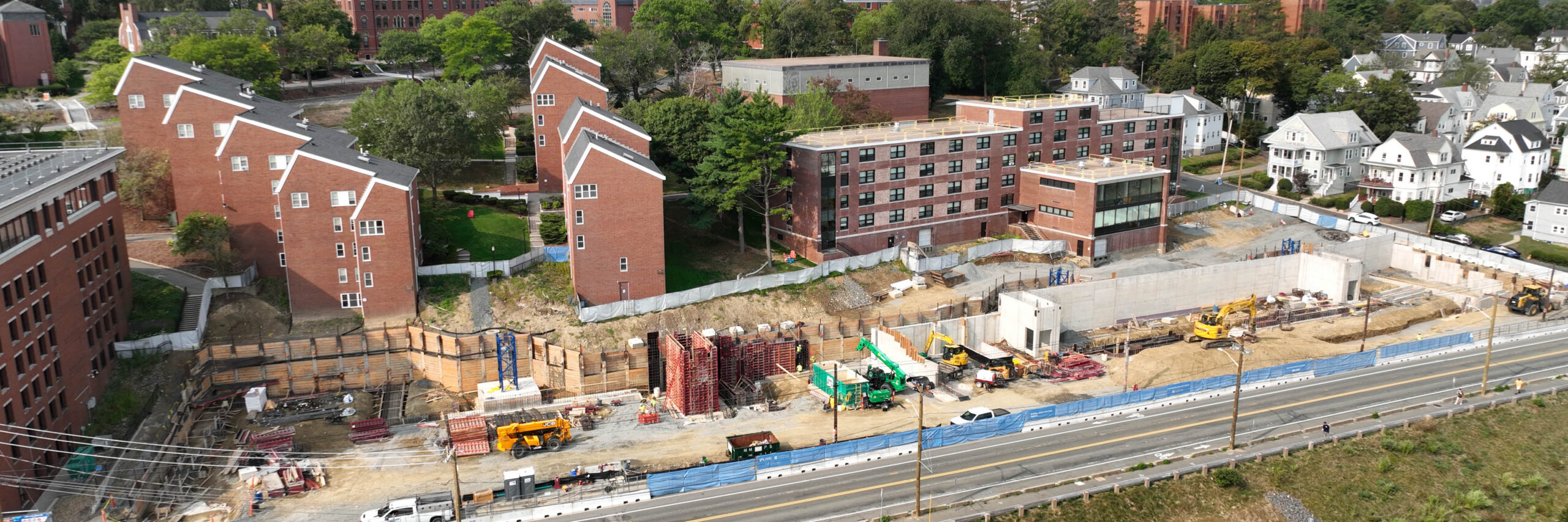
By engaging Erland during planning and design, developers gain access to a team that understands how municipal approvals, constructability, building code requirements, and market conditions intersect. We provide real-time feedback on building systems, site logistics, unit layouts, parking strategies, material selections, and local permitting considerations, helping align the design with project objectives before drawings advance too far.
This proactive approach often eliminates costly redesign efforts later. Rather than reacting to comments during permitting or bidding, project teams can make informed decisions early when changes are less expensive and easier to implement. Early collaboration creates opportunities to improve design efficiency, strengthen budget planning, and establish greater schedule predictability before significant investments are made.
For developers, the value ultimately comes back to protecting the investment. Better budget alignment, fewer surprises, reduced rework, and a more efficient path through permitting and construction all contribute to stronger project performance. When projects stay on schedule and avoid unnecessary costs, developers are better positioned to achieve their leasing goals, preserve capital, and maximize returns.
In today’s environment, where financing costs remain elevated and competition for capital is intense, certainty matters. Every decision made during planning and design can either create risk or reduce it. Early collaboration helps ensure that projects move forward with a clear understanding of costs, schedule, constructability, and regulatory requirements before significant investments are made.
Successful multifamily developments are built long before construction begins. They start with informed decisions, realistic budgeting, strategic planning, and a team that understands how design, permitting, and construction all influence project outcomes.
By bringing Erland into the conversation early, developers gain more than a construction manager. They gain a partner focused on reducing risk, preserving value, and helping protect the returns that drive successful multifamily development.
For any questions regarding this topic, please contact James McCormack at jmccormack@erland.com.